
By Bridgette Mwanoka
In the heart of Lilongwe District, tucked within the fields of Chiseka Village under Traditional Authority Chiseka, a quiet revolution is taking root in Malawi’s agriculture sector and it smells like onions.
For years, farmers like Alinafe Mbewe, a 35-year-old mother of five, relied on traditional methods to grow onions, a crop that has become a staple in Malawian kitchens and a source of income for countless rural households. But now, with the help of biotechnology and improved farming techniques, Alinafe and her neighbours are seeing record-breaking harvests and healthier plants.
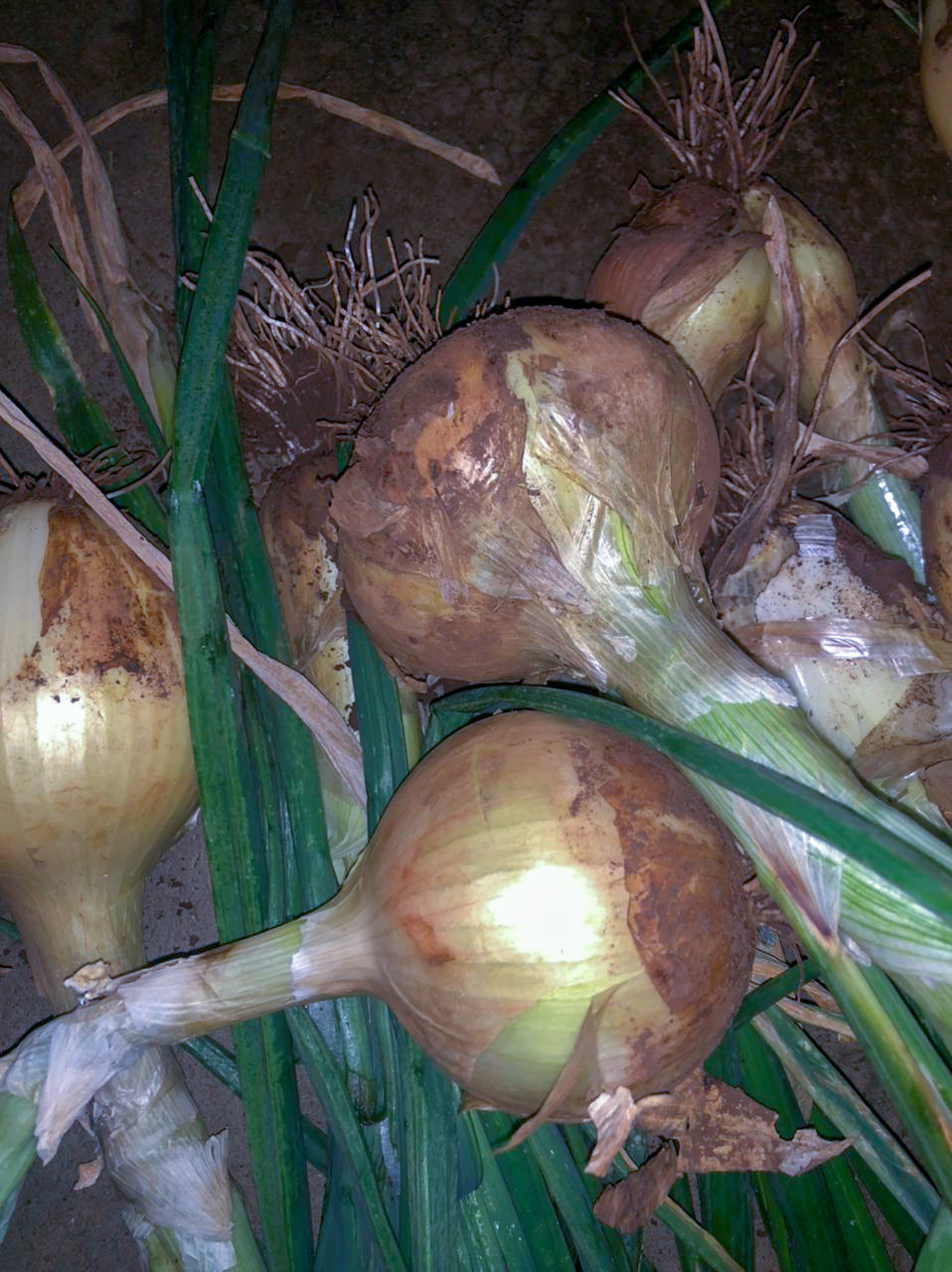
“In the past, we used to lose almost half of our crop to the pests and diseases,” Alinafe explains, standing between neat rows of onion bulbs glistening with early morning dew. “Now, with improved seed varieties and training on nursery management, we are getting more from the same land.”
The Promise of Biotechnology
Biotechnology is opening up new frontiers for Malawi’s onion farmers. Through the introduction of improved seed varieties developed via selective breeding and tissue culture, farmers are growing onions that are more resilient to disease, have better bulb uniformity, and yield more per hectare. These advancements mean fewer losses, less reliance on chemical inputs, and improved food quality.
In addition, farmers are embracing biofertilizers and organic treatments enriched with beneficial microbes that enhance soil health and nutrient uptake. These eco-friendly solutions are not only reducing production costs but also promoting sustainability in smallholder farming systems.
“We mix compost with biofertilizer, and our onions grow faster and last longer in storage,” shares Yamikani Phiri, a young farmer from Zibweze Village in Area 25, Lilongwe. “It is cheaper and better for the land.”
Expert Perspective
According to Medrina Mloza Banda, Principal Secretary for Technical and Extension Services in the Ministry of Agriculture, biotechnology’s role in onion farming goes beyond improving yields.
“We are talking about science that is directly transforming the livelihoods of our farmers,” she says. “Through biotechnological innovations, farmers can grow crops that are better adapted to Malawi’s changing climate, withstand common pests, and maintain high quality post-harvest. Our focus is to ensure these technologies reach even the most remote farmers, backed by training and extension support.”
Agricultural expert and farmer-turned-politician Felix Jumbe agrees, adding that Malawi’s onion sector is a perfect example of how biotechnology can align with commercial opportunities.
“Biotechnology is not just for big-scale commercial farms,” Jumbe notes. “When smallholder farmers have access to improved seed, proper agronomy knowledge, and markets, they can turn a modest crop like onions into a powerful economic engine. The key is to link science with market-driven production so farmers are not only growing more, but earning more.”
Why are Onions a Smart Investment?
Agricultural experts point to several factors driving onion farming’s popularity:
Consistent market demand – Onions are a staple ingredient in Malawian cooking.
Low input costs – Compared to other vegetables, onions require less labour, fertiliser, and water.
Climate flexibility – Onions thrive in diverse agro-ecological zones.
High yield potential – When managed properly, farmers can achieve significant harvests.
Best Practices for Onion Farming
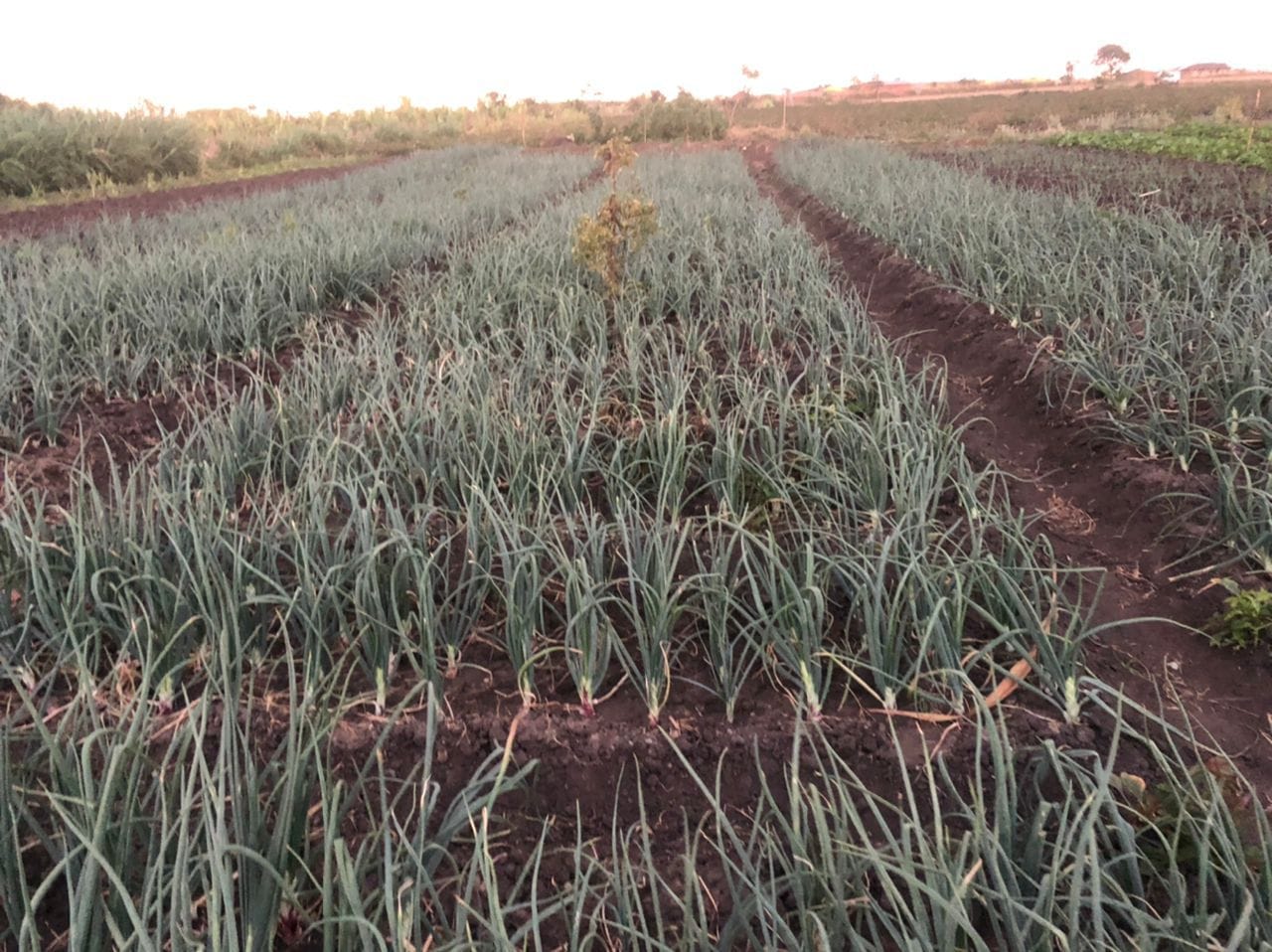
Onions prefer cooler weather early in their growth and warmer conditions for bulb development.
Soil – Sandy loam soils with good drainage are ideal.
Seedlings – Farmers typically raise seedlings in nurseries before transplanting them with a spacing of 30 cm by 10 cm.
Fertilisation – Common fertilisers include Compound C (6:17:15) and calcium nitrate.
Pest & disease management – Threats such as thrips and damping off must be controlled with careful monitoring and timely treatment.
Harvest – Usually 90–150 days after transplanting, with curing essential to preserve bulb quality.
In urban markets like Lilongwe, structured buyers such as Chipiku and Sana offer consistent sales channels for farmers like Mbewe, ensuring stable incomes and reduced post-harvest waste.
Profits and Possibilities
With proper spacing, soil testing, and strategic fertilizer application, some farmers are now achieving yields of over 20 tonnes per hectare. And with growing demand in local markets and neighbouring countries, onions are fast becoming a reliable source of income.
“I used onion profits to buy a motorbike and pay school fees for my children,” says Elina Banda, another progressive farmer. “Onions have changed my life.”
Women and Youth Leading the Way
Women and young farmers are at the forefront of this shift. With support from organisations such as the Centre for Agricultural Transformation (CAT) and Agri-Tech Malawi, these groups are providing access to biotechnology training, improved seeds, and market information turning their small plots into profitable agribusinesses.
Challenges Ahead
Despite the gains, farmers still face hurdles: high input prices, limited irrigation, market price fluctuations, and inadequate storage facilities. Knowledge gaps in biotechnology and sustainable practices also remain in some rural areas.
The Future of Onion Farming in Malawi
With Malawi’s agricultural sector embracing innovation, the future of onion farming looks promising. Expanding access to biotechnology including climate-resilient varieties, digital farming tools, and smart irrigation systems will be key to scaling success stories like Alinafe’s and Yamikani’s.
Government efforts to strengthen farmer cooperatives, improve rural infrastructure, and invest in agri-research are expected to boost productivity and competitiveness.
“We used to grow onions just to survive,” Alinafe says. “Now we grow them with purpose and a plan for the future.”
As more farmers adopt science backed practices, onion farming in Malawi is no longer just about growing food it’s about building livelihoods, empowering communities, and securing a sustainable agricultural future.