
By Bridgette Mwanoka
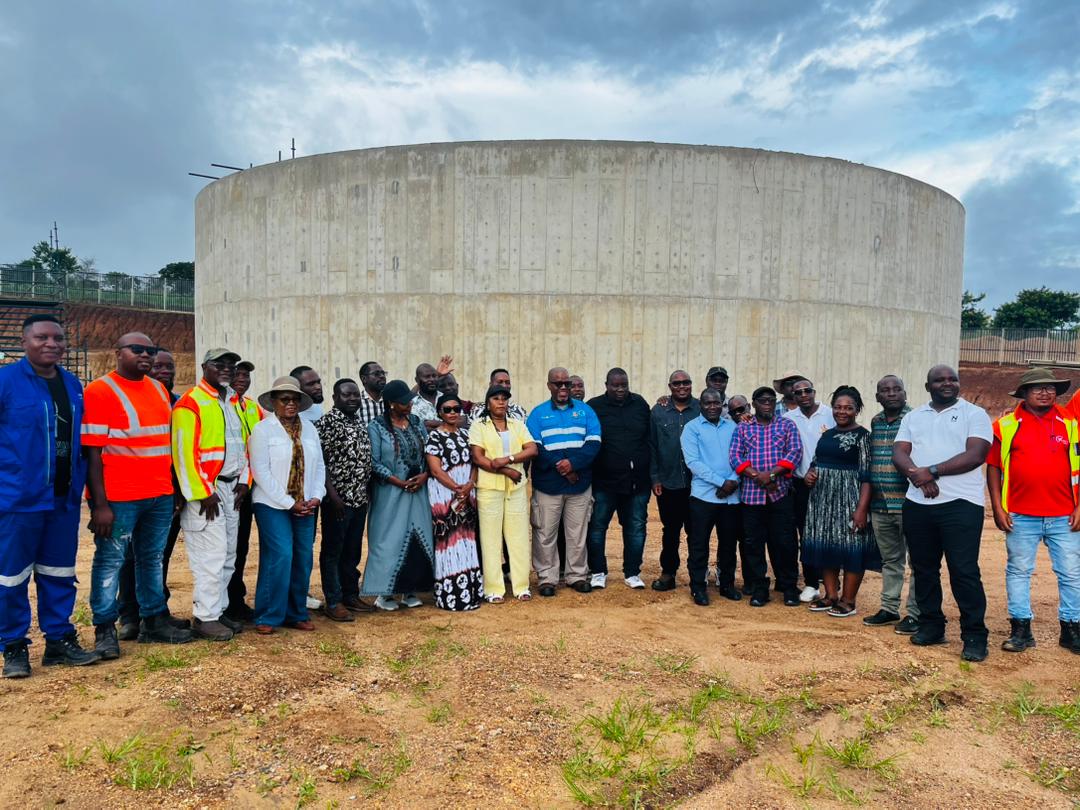
The Parliamentary Committee on Natural Resources has commended progress on the construction of the Salima–Lilongwe Water Project, describing it as a game changer in addressing water shortages affecting Lilongwe and surrounding districts.
The committee, led by Chairperson Tiaone Hendry, toured project facilities being implemented by Khato Civils.
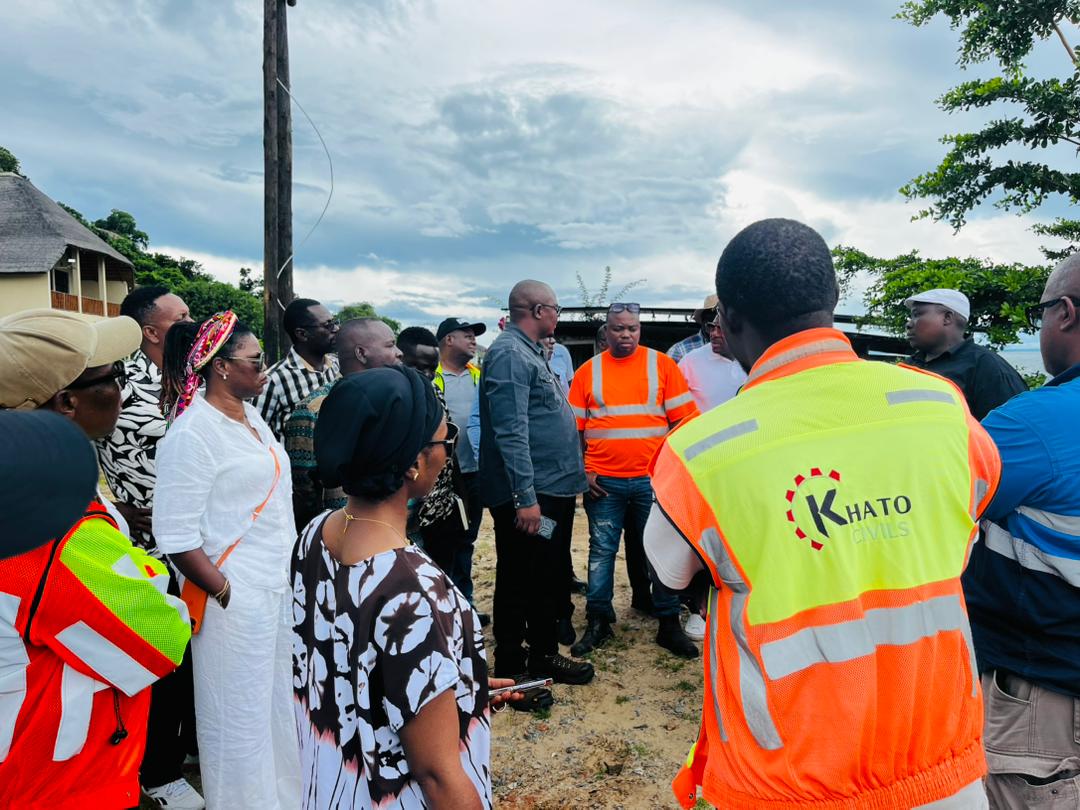
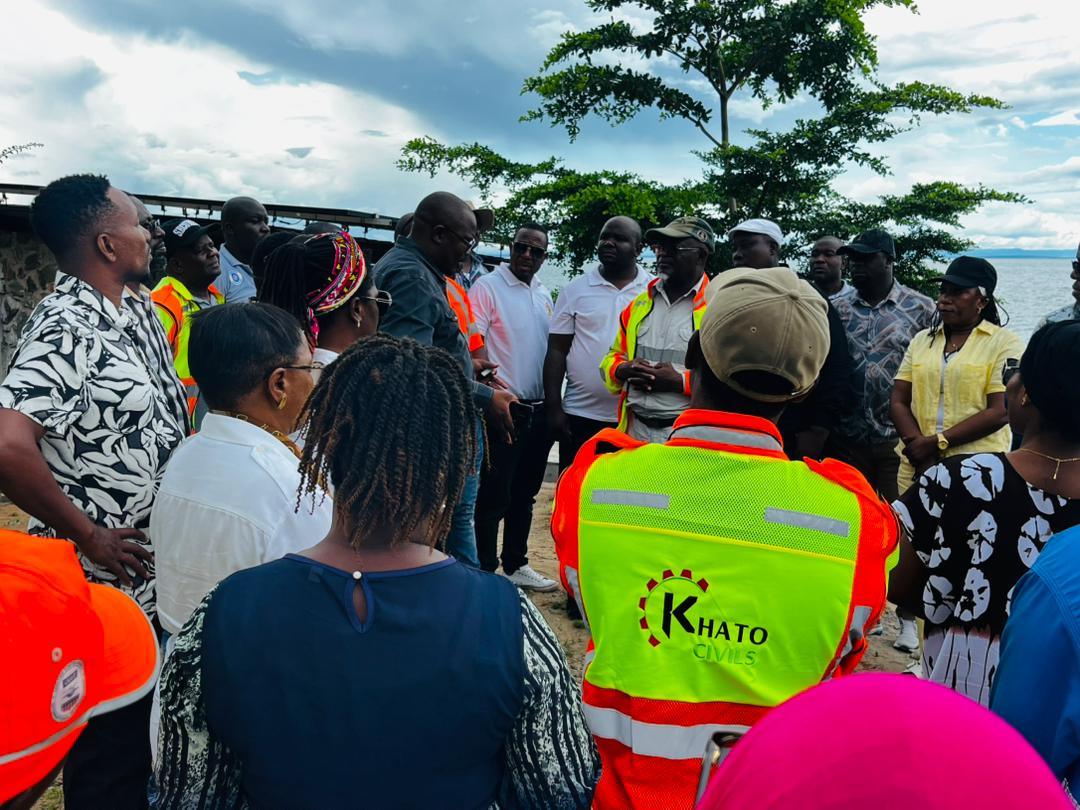
During the visit, Hendry applauded the contractor for the quality of work and progress made so far, saying the project will significantly improve access to clean and reliable water for thousands of households.
Valued at 315 million US dollars, the project is designed to pump 100 million litres of water per day from Lake Malawi to Lilongwe, Dowa and Salima. The infrastructure includes the Lifuwu Water Treatment Plant, pumping stations at Katengeza and Mvera, and a 120-kilometre transmission pipeline.
However, the committee acknowledged that financial constraints remain a challenge. Hendry said the committee will lobby for increased funding to ensure the project is completed within the expected timeframe.
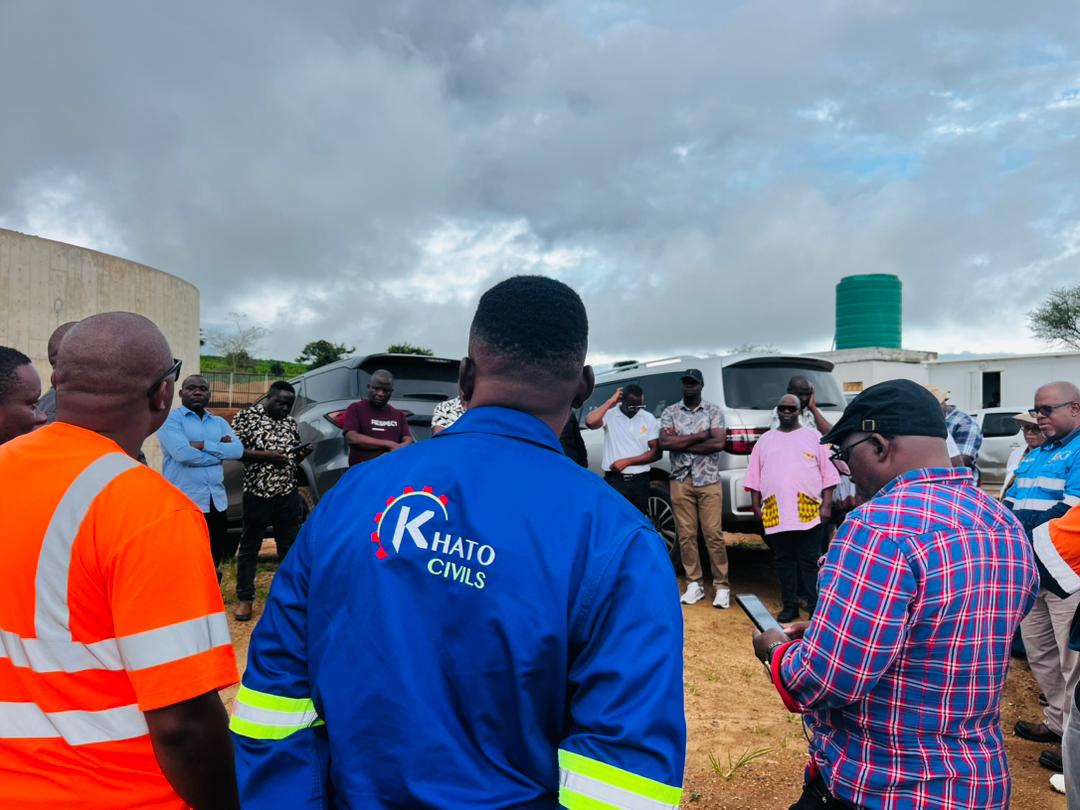
Director of Finance Pride Phiri said despite funding challenges, works are progressing steadily, with partial commissioning expected in 2026 to allow early water supply.
The project, currently estimated at around 34-36 percent completion, is expected to benefit approximately 1.5 million people and strengthen the capacity of the Lilongwe Water Board to meet growing water demand and respond to climate-related shortages.